After a Fall: A 72-Hour Plan for What to Do Next
Last verified
A parent's fall is frightening, even when it turns out to be minor. Here's a plan for the next 72 hours — what to handle first, what can wait a day, and how to lower the odds of it happening again.
If this is happening right now and your parent is seriously hurt, unresponsive, or you're unsure how bad it is, call 911 first. The steps below are for after they're safe and have been checked over.
The first hour
Don't rush to get them up. Ask if they're in pain and where, and look for obvious injury before helping them move. If there's any head injury, chest pain, an inability to bear weight, or you're simply not sure, call 911 or get them to urgent care or the ER — it's always the safer call. Otherwise, help them up slowly and watch closely for the rest of the day.
The first 24 hours
Even for a fall that seemed minor, a same-day or next-day doctor visit is worth it — some injuries (fractures, concussions, internal bleeding on blood thinners) don't show obvious symptoms right away. Write down what happened while it's fresh: what they were doing, what they tripped on or how they lost balance, and how they're feeling now. That detail helps both the doctor and, later, you.
24 to 72 hours: the home walkthrough
Once the immediate medical question is settled, walk the exact spot where the fall happened and the rooms around it. Was it a loose rug, poor lighting, a wet floor, an uneven threshold? Fix what you can immediately — remove the rug, add a nightlight — and note anything that needs a longer-term fix like a grab bar or ramp. Our home safety quiz is a fast way to turn that walkthrough into a prioritized list for the rest of the house, not just where the fall happened.
After 72 hours: reducing the risk of a repeat fall
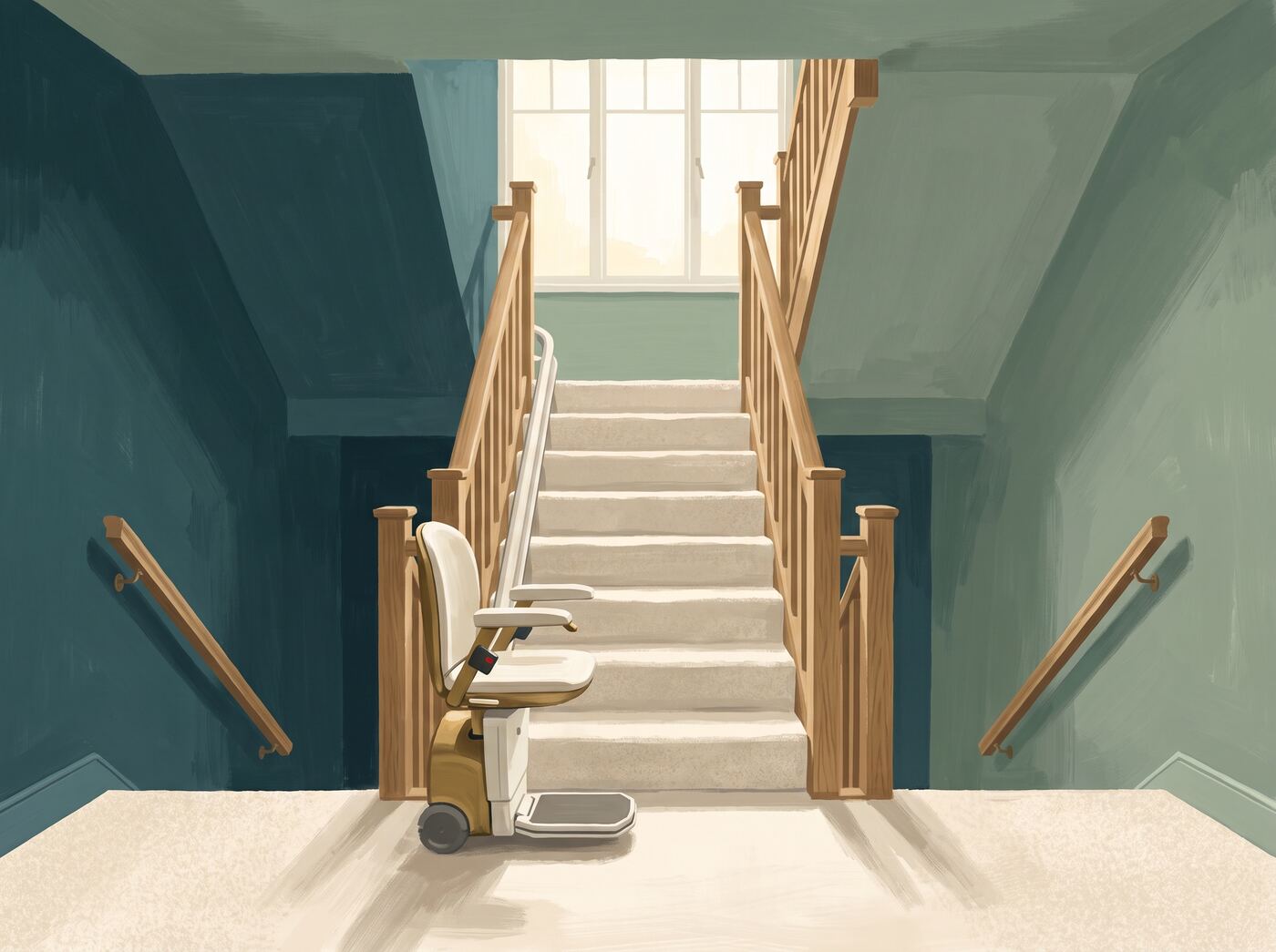
A first fall raises the chance of a second one, so this is the window to act rather than wait. Bathroom grab bars and stair handrails address the two highest-risk areas in most homes — see Atlanta bathroom safety pricing and grab bar installation. If the fall happened on stairs or your parent is already struggling with them daily, a stair lift may be worth pricing out too.
Next steps
If the fall led to a hospital stay, see preparing the home for hospital discharge next. Otherwise, take the free home safety quiz to see where the next risk is likely hiding, browse Atlanta home modification services to get matched with a vetted local contractor, or call (404) 602-2998 and we'll help you figure out what to prioritize.
Frequently asked questions
Should I move furniture or clean up right after a fall?
Not before your parent has been checked over. Leave the immediate area as-is until they've been assessed by a doctor or paramedic — it's more important right now to get them medically evaluated than to tidy up.
How common are falls among older adults?
Falls are the leading cause of injury among adults 65 and older, and roughly one in four older adults falls each year, according to the CDC. A first fall also meaningfully raises the odds of another one, which is why the days right after matter so much.
Do I need a doctor's referral before making home changes?
No. Home safety modifications like grab bars, ramps, and stair lifts don't require a referral — you can arrange them directly with a contractor. A referral is only relevant if you're pursuing occupational therapy or a program that requires a clinician's assessment.